
What Patients Should Know Before Getting Dental Implants
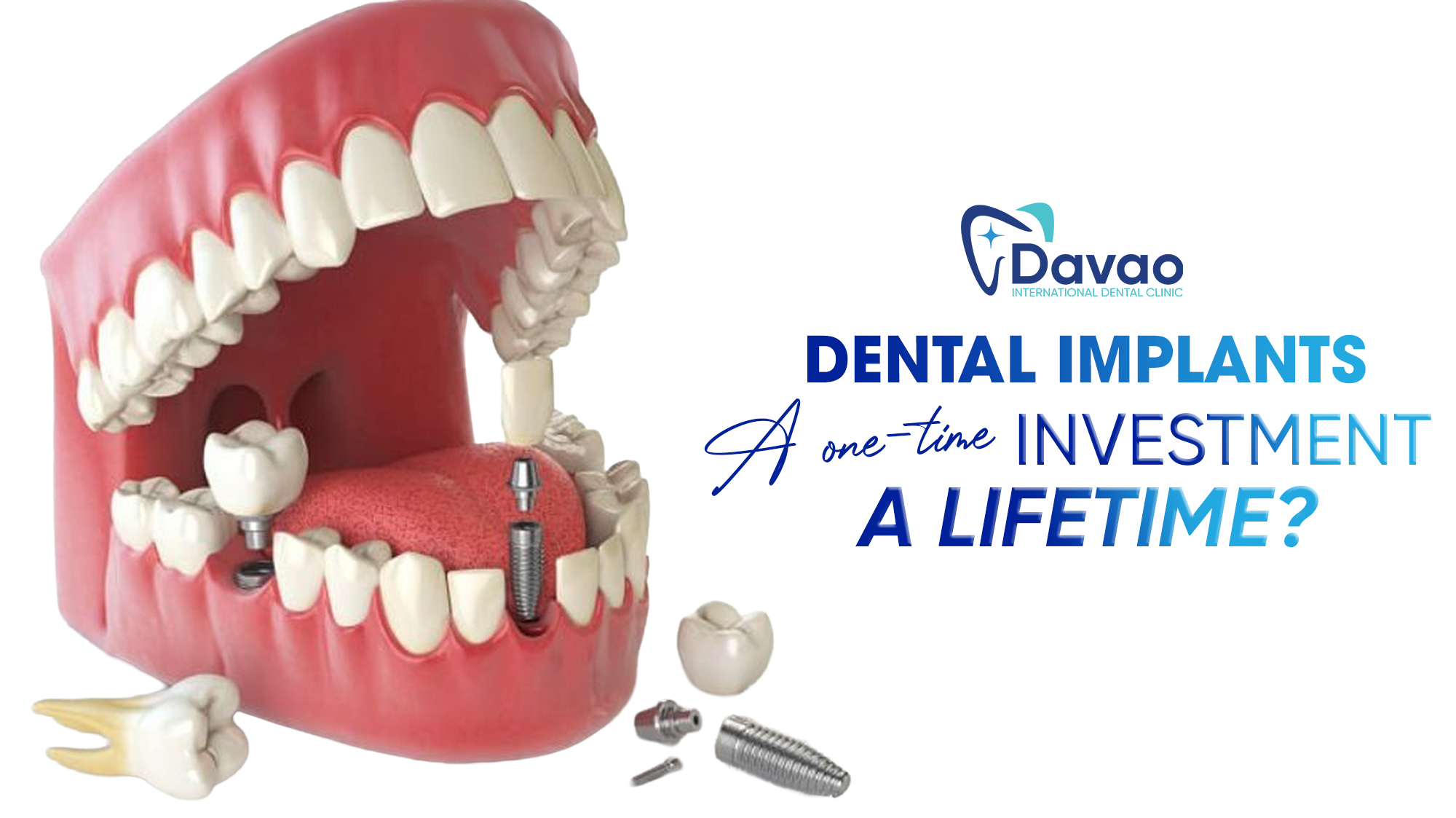
Dental implants are considered the most advanced and long-lasting solution for replacing missing teeth. However, one of the most common concerns patients have is:
“Does dental implant placement hurt?”
This concern is completely understandable, as implant treatment involves placing a titanium post into the jawbone. Let’s explore the truth behind this question so you can feel more confident before undergoing implant treatment.

Dental implant placement is a common concern among patients
Does dental implant placement hurt?
The answer is: NO — not as painful as many people expect.
During the implant procedure, the dentist administers local anesthesia to completely numb the treatment area. As a result, patients do not feel sharp pain, but may notice mild pressure or vibration while the implant is placed.
In fact, many patients report that dental implant placement is more comfortable than tooth extraction. When performed by an experienced implant specialist using modern techniques, the procedure is typically smooth and well tolerated.
Why do some people think implants are painful?
The belief that implants are painful often comes from fear or misinformation. Hearing negative experiences from others can create unnecessary anxiety, especially when those experiences involved outdated techniques. In many cases, pain is associated with poor treatment planning rather than the implant procedure itself.
Fear of pain often comes from:
- Hearing negative experiences from others
- Choosing clinics with limited implant experience
- Outdated techniques or prolonged procedures
- Not receiving a proper pre-treatment assessment
With modern technology and a skilled implant dentist, discomfort during implant placement is kept to a minimum.
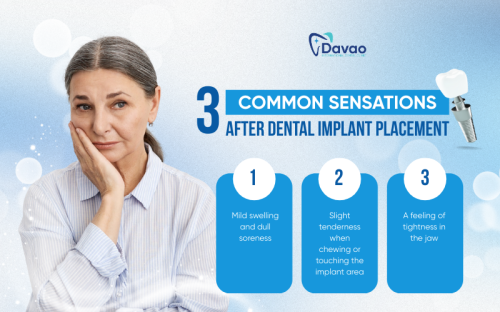
3 common sensations after dental implant surgery
1. Mild swelling
Mild swelling around the implant area is a normal reaction after surgery. This swelling usually peaks within the first 48 hours and gradually subsides. Applying cold compresses can help reduce swelling and improve comfort.
2. Minor soreness or tenderness
Some patients experience mild soreness once the anesthesia wears off. This discomfort is most noticeable within the first one to two days after surgery. Prescribed pain medication or over-the-counter pain relievers are usually sufficient to manage it.
3. A feeling of tightness in the jaw
As the implant begins integrating with the jawbone, a slight feeling of pressure or tightness may occur. This sensation is temporary and part of the natural healing process. It should not interfere with speaking, eating soft foods, or daily activities.
3 common sensations after dental implant surgery
How long does discomfort last after implant placement?
The recovery timeline after implant placement is generally predictable. While individual experiences may vary, most patients report minimal discomfort that improves quickly. Understanding this timeline can help reduce anxiety and set realistic expectations.
First 24–48 hours
This is the most sensitive period after surgery. Mild pain or swelling may occur, but it is usually well controlled with medication and proper care.
3–7 days
Discomfort continues to decrease significantly. Most patients can return to normal daily routines, including work and light activities.
After one week
Pain is minimal or completely gone for most patients. The implant continues to heal and integrate with the jawbone without noticeable discomfort.
Factors that affect pain levels during implant treatment
Several factors influence how comfortable implant treatment feels. The experience and skill of the dentist play a major role in minimizing trauma during surgery. Advanced diagnostic tools also help ensure precise implant placement.
Key factors that affect pain levels include:
- Dentist’s expertise in implantology
- Advanced diagnostic and surgical technology
- Jawbone condition and overall oral health
- Proper post-operative care
When these factors are well managed, implant treatment is smooth and comfortable.
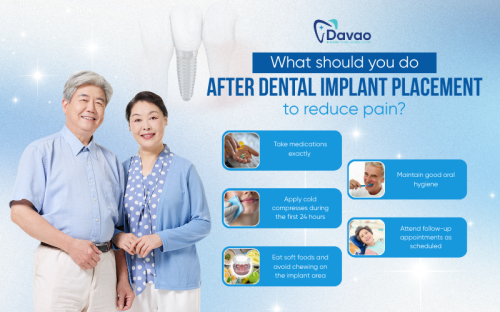
How to reduce discomfort after dental implants
Patients can actively support a smooth recovery by following post-treatment instructions carefully. Simple steps taken during the first few days can significantly reduce discomfort and promote healing. Consistency in care is essential for long-term success.
Helpful tips to reduce discomfort include:
- Take medications as prescribed
- Apply cold compresses during the first 24 hours
- Eat soft foods and avoid chewing on the implant side
- Maintain good oral hygiene
- Attend follow-up appointments as scheduled
Post-implant care tips to reduce discomfort
Final thoughts
Dental implant treatment is far less painful than most patients imagine. With modern techniques, proper anesthesia, and professional care, discomfort is minimal and temporary. The majority of patients are surprised by how comfortable the process feels.
Choosing the right dental clinic and an experienced implant specialist is the key to a positive treatment experience. With the right approach, dental implants offer a safe, predictable, and comfortable solution for restoring missing teeth.