

Serious dental risks you face when leaving wisdom teeth untreated today
Wisdom teeth are often ignored until pain or inflammation occurs. In reality, many serious oral health problems begin when wisdom teeth erupt abnormally and are left untreated. Understanding the potential risks allows patients to take a more proactive approach to long-term oral health.
What are wisdom teeth and why do they cause problems?
Wisdom teeth are the third molars that erupt last, usually when jaw growth is already complete. Due to limited space, they often erupt improperly, become impacted, or only partially emerge through the gum. These abnormal positions make wisdom teeth a common source of dental complications.
Because of their location, wisdom teeth are difficult to clean effectively. Food debris and bacteria easily accumulate around them, increasing the risk of infection and long-term oral health issues.

Common reasons why your wisdom teeth might need professional attention
Common risks caused by untreated wisdom teeth
Gum infection and pericoronitis
When wisdom teeth erupt partially or at an angle, bacteria and food debris can easily become trapped beneath the gum tissue. This often leads to persistent gum inflammation and recurring pain. Symptoms may include swelling, bad breath, and discomfort while chewing.
If left untreated, inflammation around wisdom teeth can recur frequently. Over time, the infection may spread to surrounding tissues and compromise overall oral health.
Damage to adjacent teeth
Impacted or misaligned wisdom teeth often press against the neighboring second molars. This contact creates areas that are difficult to clean and increases the risk of decay. As a result, adjacent teeth may suffer from enamel damage or deep cavities.
In severe cases, the neighboring tooth may require extensive treatment or extraction. This can significantly affect chewing function and future dental treatment plans.
Bone loss and bite misalignment
Improperly positioned wisdom teeth can exert continuous pressure on the jawbone and nearby teeth. Over time, this pressure may lead to localized bone loss around the affected area. Such changes often occur gradually and may go unnoticed without regular dental check-ups.
Additionally, misaligned wisdom teeth can contribute to bite problems and jaw discomfort. Patients may experience jaw pain, facial tension, or difficulty during daily chewing activities.
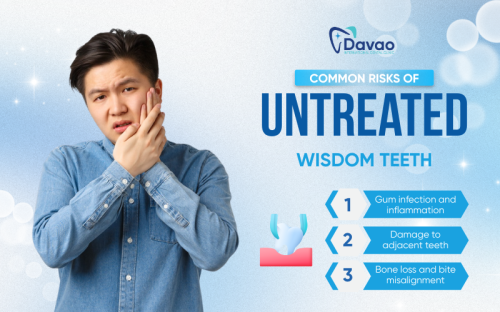
Protect your smile by addressing wisdom teeth issues early on
When should wisdom teeth be treated?
Not all wisdom teeth need immediate removal, but regular monitoring is essential. Dentists usually recommend intervention when wisdom teeth cause recurrent pain, infection, or damage to adjacent teeth. Abnormal findings on X-rays are also strong indicators for treatment.
Wisdom teeth are often addressed before orthodontic treatment or dental restorations. Early intervention helps prevent complications and supports long-term treatment success.
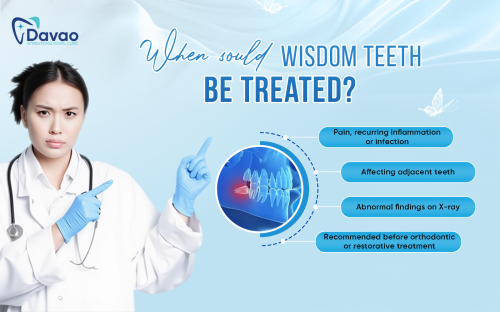
Understanding the necessary conditions for wisdom teeth removal or treatment
How is wisdom tooth treatment different from routine tooth extraction?
Wisdom tooth treatment is generally more complex than routine extractions. A thorough evaluation, including X-ray imaging, is required to determine tooth position and potential risks. This allows dentists to plan treatment with greater accuracy and safety.
In many cases, wisdom tooth removal is considered a minor oral surgery. Recovery time depends on the complexity of the case and individual healing ability, but modern techniques allow for better pain control and predictable outcomes.
Final thoughts
Wisdom teeth are more than just late-erupting molars — they can pose significant risks if not properly monitored. Regular dental check-ups help detect potential issues early and reduce the risk of long-term complications. Proactive evaluation is key to maintaining lasting oral health.