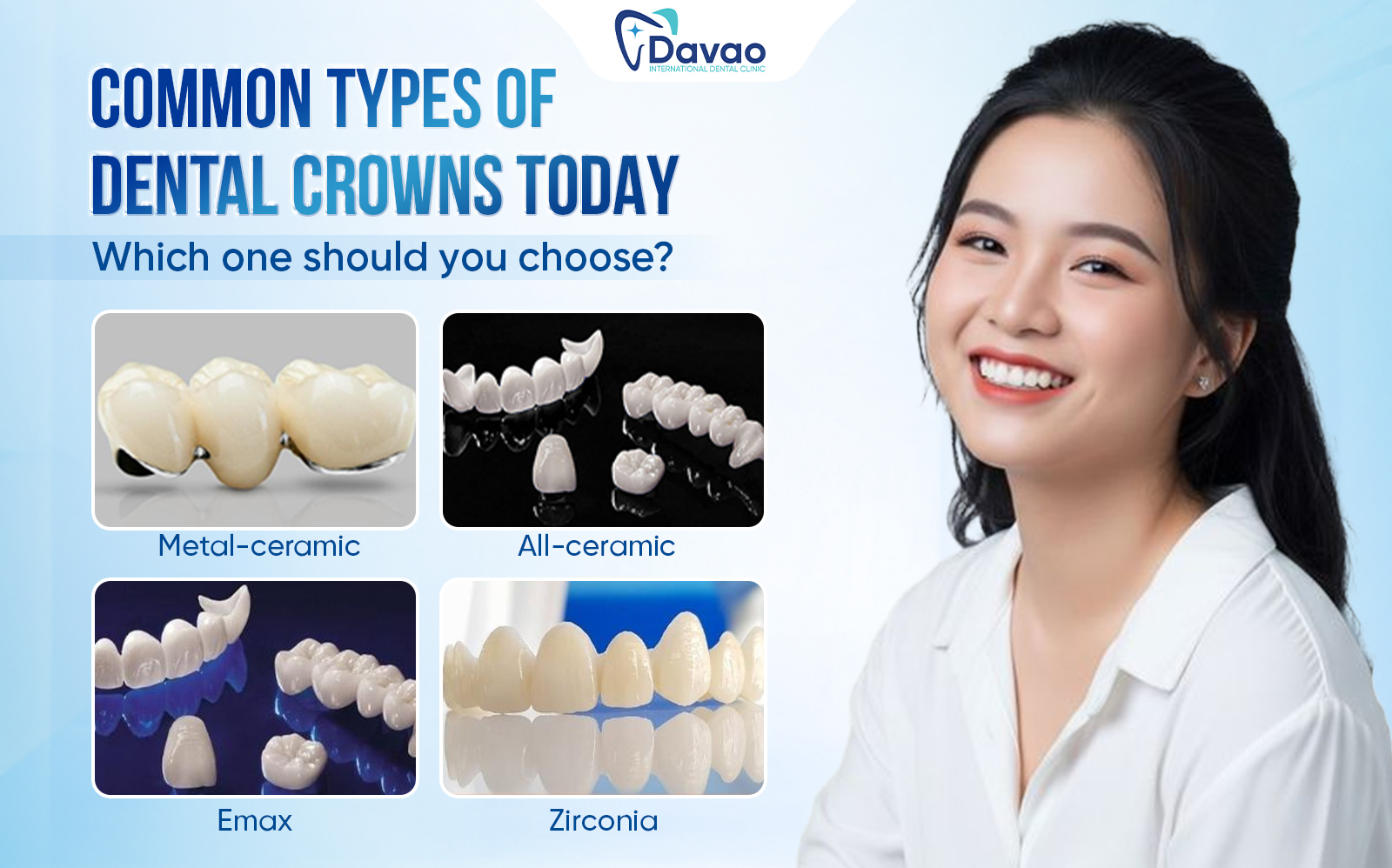

How long do dental implants last?
Dental implants are widely recognized as the most reliable solution for replacing missing teeth. However, many patients still wonder:
“Are dental implants durable? How long do dental implants actually last?”
Understanding implant longevity is essential before making a treatment decision. Below, we explain the real lifespan of dental implants and the factors that determine their long-term success.
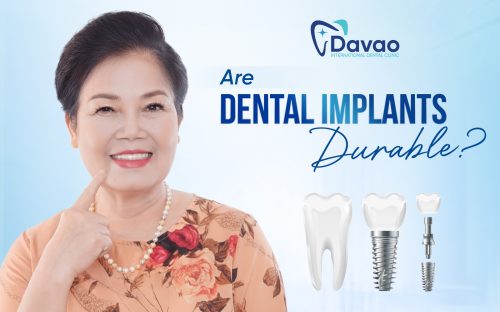
Invest in a permanent, durable smile
Are dental implants durable?
Yes — dental implants are extremely durable when placed correctly.
Implant posts are made from medical-grade titanium, a biocompatible material that fuses naturally with the jawbone. Once osseointegration is complete, the implant functions like a natural tooth root, providing strong support for chewing and speaking.
Clinical studies show that dental implants can last 20 years or even a lifetime with proper care.
Why do some people worry about implant longevity?
Concerns about implant durability often come from hearing about implant failure cases or unsuccessful treatments. In most situations, these concerns are not related to the implant material itself but to external factors. Misunderstanding the causes of implant failure can lead to unnecessary fear or hesitation.
Concerns about implant durability often stem from:
- Poor-quality implant systems
- Inexperienced implant placement
- Inadequate oral hygiene
- Lack of regular dental check-ups
Most implant failures are associated with technique, planning, or maintenance rather than the implant structure itself. Proper diagnosis and professional care significantly reduce these risks.
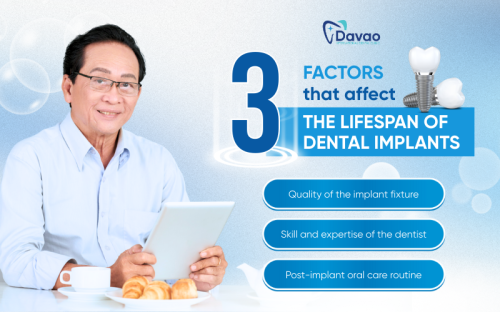
3 key factors that affect dental implant lifespan
1. Implant quality
The quality of the implant system plays a crucial role in long-term success. High-quality implants from reputable manufacturers are designed to integrate better with the jawbone. These systems also offer greater strength, precision, and long-term stability.
Using certified implant brands reduces the risk of complications and improves predictability. Low-quality or unverified implants may fail prematurely due to poor design or material limitations.
2. Dentist’s expertise
The skill and experience of the implant dentist directly affect implant longevity. Proper implant positioning ensures even load distribution during chewing and prevents excessive stress on the bone. Accurate surgical technique also minimizes trauma and supports faster healing.
Experienced dentists carefully evaluate bone quality, bite alignment, and overall oral health before implant placement. This professional planning is essential for long-lasting and stable results.
3. Post-treatment care
Long-term success of dental implants depends heavily on how well they are maintained after treatment. Daily oral hygiene, including brushing and flossing, helps prevent infection around the implant. Regular dental check-ups allow early detection of potential issues.
Healthy habits such as avoiding smoking and managing teeth grinding also extend implant lifespan. Patients who actively care for their implants often enjoy decades of reliable function.
Essential factors for implant success
Dental implant lifespan by stages
Osseointegration phase (3–6 months)
The osseointegration phase is the most critical stage of dental implant treatment. During this time, the implant bonds with the jawbone to form a stable foundation. Proper healing during this phase determines the long-term stability of the implant.
Patients must follow post-surgical instructions carefully to support bone integration. Avoiding excessive force and maintaining oral hygiene are especially important during this stage.
After crown placement
Once the dental crown is placed, the implant becomes fully functional. It restores normal chewing ability and blends naturally with surrounding teeth. At this stage, patients can eat, speak, and smile with confidence.
Although the crown may require replacement over time due to wear, the implant post itself usually remains intact. Proper care ensures continued performance and comfort.
Long-term use (10–20+ years)
With good oral hygiene and regular dental care, many dental implants remain functional for decades. In some cases, implants can last a lifetime without needing replacement. Long-term success depends on consistent maintenance and healthy lifestyle choices.
Routine dental visits help monitor bone levels and implant stability. Early intervention prevents minor issues from becoming serious problems.
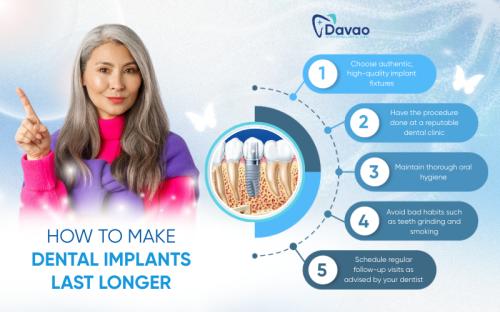
How to make dental implants last longer
- Choose certified, high-quality implant systems
- Seek treatment from experienced implant dentists
- Maintain excellent oral hygiene
- Avoid smoking and teeth grinding
- Schedule regular dental check-ups
5 tips for long-lasting dental implants
Final thoughts
Dental implants offer exceptional durability and reliable long-term performance when properly planned and maintained. They are designed to function like natural tooth roots and can serve patients for decades. While implants are highly durable, their lifespan depends on professional expertise and patient care.
Choosing the right dental clinic and an experienced implant specialist is essential for achieving lasting success. With correct treatment and good maintenance, dental implants can truly be a lifetime solution for missing teeth.